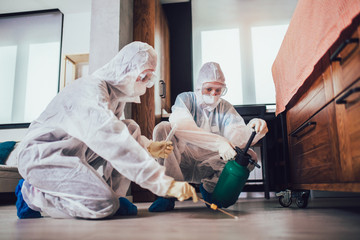
Have you ever spotted a trail of ants in your kitchen, heard scratching sounds inside your walls, or noticed signs of insects where they should not be? For many homeowners, discovering pests can be both frustrating and alarming. While it may be tempting to address the issue with a quick solution, effective pest management requires a systematic approach. Pest Control Stuart process is designed to identify the root cause of an infestation, eliminate existing pests, and prevent future problems from occurring.
Understanding how the pest control process works can help homeowners feel more confident when dealing with unwanted pests. From inspection and identification to treatment and prevention, each step plays an important role in creating a healthier and more comfortable living environment.
The Importance of a Structured Pest Control Process
Pest control is more than simply removing insects or rodents from a property. A successful pest management plan focuses on understanding why pests are present and addressing the conditions that allow them to thrive.
Different pests require different treatment methods. What works for ants may not be effective for rodents, termites, or cockroaches. A structured process ensures that the correct strategies are used based on the specific pest problem.
A well-planned approach also helps minimize property damage, reduce health risks, and prevent recurring infestations. Rather than treating symptoms alone, the process targets the source of the problem for long-term results.
Initial Pest Inspection and Assessment
The first step in the pest control process is a thorough inspection of the property. This stage is essential because it helps determine the type of pest involved, the severity of the infestation, and the areas affected.
During the inspection, pest activity is carefully evaluated throughout both interior and exterior areas. Common hiding spots such as attics, basements, crawl spaces, kitchens, bathrooms, and storage areas are often examined. Inspectors also look for entry points that pests may be using to access the property.
Signs such as droppings, nests, damaged materials, grease marks, and unusual odors can provide important clues. Moisture issues, food sources, and environmental conditions are also assessed because they often contribute to pest activity.
The information gathered during the inspection serves as the foundation for the entire treatment plan.
Identifying the Pest Problem
Accurate pest identification is one of the most important parts of the process. Different pests behave differently, reproduce at different rates, and respond to different treatment methods.
For example, termites require specialized treatment because they live within wooden structures and often remain hidden from view. Rodents may require trapping, exclusion methods, and sanitation improvements. Cockroach infestations often demand a combination of targeted treatments and habitat modification.
Misidentifying a pest can lead to ineffective treatment and wasted time. Proper identification allows pest management professionals to choose the most effective solutions while reducing unnecessary treatments.
Understanding the pest species also helps predict behavior patterns and determine the most likely locations of nests, colonies, or hiding places.
Developing a Customized Treatment Plan
Once the pest problem has been identified, a treatment plan is created based on the specific conditions of the property. There is no universal solution that works for every infestation.
The treatment plan takes several factors into account, including the type of pest, the size of the infestation, the layout of the property, and any environmental concerns. The goal is to eliminate the current pest population while minimizing disruption to the occupants.
In some cases, treatment may involve multiple techniques working together. These strategies may include targeted applications, traps, monitoring systems, exclusion measures, or habitat modifications.
A customized approach increases effectiveness and helps ensure that treatment efforts focus on the areas where pests are most active.
Implementing Pest Control Treatments
After the treatment plan is developed, the next step is implementation. This phase involves applying the selected methods to control or eliminate the pest population.
Treatment methods vary depending on the pest involved. Insect infestations may require targeted applications in cracks, crevices, and nesting areas. Rodent control often includes trapping, baiting, and sealing entry points. Termite treatments may involve specialized techniques designed to protect structural components.
The objective is not only to eliminate visible pests but also to address hidden populations that may continue reproducing if left untreated.
Timing can be an important factor during treatment. Some infestations require follow-up visits or multiple treatment phases to achieve the desired results. Consistent monitoring helps determine whether additional action is needed.
Addressing Conditions That Attract Pests
Eliminating pests is only part of the process. Long-term success depends on addressing the conditions that originally attracted them.
Many pests are drawn to properties that provide food, water, and shelter. Leaking pipes, standing water, exposed food, cluttered storage areas, and structural gaps can create ideal conditions for infestation.
As part of the pest control process, recommendations are often made to improve sanitation, reduce moisture, and eliminate access points. These changes help make the property less attractive to pests and reduce the likelihood of future problems.
Simple maintenance practices can significantly improve the effectiveness of pest prevention efforts. Small repairs and routine upkeep often play a major role in keeping pests away.
Monitoring and Follow-Up Inspections
A successful pest control process does not end immediately after treatment. Monitoring and follow-up inspections are critical for evaluating results and ensuring that the infestation has been fully addressed.
During follow-up visits, inspectors look for signs of ongoing activity and assess whether treatment objectives have been achieved. Monitoring devices may be checked, and previously affected areas may be reexamined.
If any remaining pest activity is detected, adjustments can be made to the treatment plan. This proactive approach helps prevent small issues from developing into larger infestations.
Regular monitoring is especially important for pests that can remain hidden for long periods, such as termites and certain rodent species.
The Role of Preventive Pest Control
Preventive pest control is often the most effective way to protect a property over the long term. Rather than waiting for pests to become a noticeable problem, preventive measures focus on reducing risk before infestations occur.
Routine inspections help identify vulnerabilities that may otherwise go unnoticed. Sealing cracks, maintaining proper drainage, storing food correctly, and managing waste effectively all contribute to pest prevention.
Seasonal changes can also influence pest activity. Certain pests become more active during specific times of the year, making regular inspections and preventive treatments particularly valuable.
A preventive approach not only helps reduce infestations but also minimizes the need for extensive treatment in the future.
Benefits of Following a Professional Pest Control Process
A structured pest control process offers several important advantages. First, it provides a systematic way to identify and eliminate pest problems efficiently. Instead of relying on temporary solutions, the process addresses the underlying causes of infestation.
Second, it helps protect property from damage. Many pests can cause costly structural issues if left untreated. Early detection and intervention can prevent extensive repairs.
Third, proper pest management supports health and safety. Rodents, insects, and other pests can carry bacteria, contaminate food, and trigger allergies. Reducing pest populations helps create a cleaner living environment.
Finally, a professional process provides peace of mind. Knowing that a property has been thoroughly inspected, treated, and monitored allows homeowners to feel more confident about the condition of their home.
Final Thoughts
The pest control process involves much more than simply removing unwanted pests. It is a comprehensive system that begins with inspection and identification, continues through customized treatment and prevention, and includes ongoing monitoring to ensure lasting results. Each step is designed to address both current infestations and the conditions that allow pests to thrive.
By understanding how the process works, homeowners can make informed decisions about protecting their property. Whether dealing with an active infestation or focusing on prevention, following a structured pest control process helps maintain a safer, healthier, and more comfortable home environment for years to come.