Cabinets are one of the most visually dominant elements in any kitchen, bathroom, or storage space. They influence the overall style of a room more than most homeowners initially realize. Because they occupy large surface areas and are used daily, cabinets tend to show wear faster than other interior features. Over time, finishes can fade, colors may feel outdated, and surfaces may develop scratches, stains, or dullness that make the entire space feel older than it is.
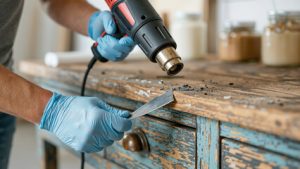
Rather than replacing cabinetry entirely, many property owners are turning to cabinet refinishing as a practical way to refresh and modernize their interiors. San Jose Cabinet Refinishing offers a cost-effective method to transform the appearance of existing cabinets without the expense, disruption, and waste associated with full replacement. By restoring surfaces, updating finishes, and improving overall appearance, refinishing effectively gives cabinets a “facelift” that can completely change a room’s feel.
This approach is especially appealing in situations where cabinet structures remain solid, but the aesthetics no longer align with current design preferences. With proper preparation and application, refinishing can deliver results that look nearly brand new while preserving the original cabinetry framework.
What Cabinet Refinishing Actually Involves
Cabinet refinishing is the process of updating the exterior surface of cabinets while keeping the underlying structure intact. Instead of removing cabinets and installing new ones, refinishing focuses on restoring and improving what already exists.
The process typically involves cleaning, sanding, repairing surface imperfections, and applying new finishes such as paint or stain. In some cases, hardware may also be updated to complete the transformation.
A standard refinishing process may include:
- Deep cleaning to remove grease, dirt, and residue.
- Sanding to strip or smooth existing finishes.
- Repairing scratches, dents, and minor damage.
- Applying primer or bonding agents when necessary.
- Adding new paint, stain, or protective coating.
- Reinstalling or updating hardware components.
Each step plays a role in ensuring that the final result is both visually appealing and long-lasting.
Why Cabinet Refinishing Is Considered a Facelift
The term “facelift” is often used because refinishing dramatically improves appearance without altering the core structure. Much like cosmetic improvements to a space, refinishing focuses on surface transformation rather than complete reconstruction.
Cabinets that once looked dated or worn can be refreshed into modern, stylish features that better align with current design trends. This transformation is achieved through color updates, finish improvements, and surface restoration.
Refinishing provides a facelift effect by:
- Updating outdated colors and finishes.
- Restoring smooth, clean surfaces.
- Eliminating visible wear and tear.
- Improving overall room brightness and style.
- Enhancing visual cohesion within the space.
Even small changes in cabinet appearance can significantly influence the overall atmosphere of a room.
The Cost Advantage of Refinishing Over Replacement
One of the most important reasons homeowners choose cabinet refinishing is cost efficiency. Full cabinet replacement often involves high material costs, labor-intensive installation, and potential modifications to plumbing or layout. In contrast, refinishing works with existing structures, significantly reducing expenses.
Refinishing allows homeowners to achieve a refreshed look without committing to a full renovation budget. This makes it an attractive option for those who want visible improvement without financial strain.
Key cost-saving factors include:
- No need for cabinet demolition or removal.
- Reduced material and manufacturing costs.
- Lower labor requirements compared to installation.
- Minimal disruption to surrounding spaces.
- Avoidance of structural modifications.
These savings make refinishing one of the most budget-friendly ways to upgrade interior spaces.
Extending the Life of Existing Cabinets
Cabinets are often built with durable materials designed to last for many years. In many cases, the structure remains solid even when the surface begins to show wear. Refinishing takes advantage of this durability by restoring appearance instead of discarding functional components.
By renewing the surface, refinishing extends the usable life of cabinetry and delays the need for replacement.
Long-term benefits include:
- Prolonged cabinet lifespan.
- Better return on original investment.
- Reduced material waste.
- Delayed renovation needs.
- Improved long-term value of existing structures.
This makes refinishing both a practical and sustainable choice for property owners.
Enhancing Interior Design Without Major Renovation
A full kitchen or bathroom renovation can be disruptive, time-consuming, and expensive. Cabinet refinishing offers a way to achieve noticeable visual improvement without altering the entire layout of a space.
Since cabinets are often the most visible feature in a room, updating them can significantly enhance overall design without requiring structural changes.
Design improvements through refinishing include:
- Modernized color schemes.
- Improved visual balance.
- Updated style alignment with current trends.
- Increased brightness and openness.
- Enhanced harmony with countertops and flooring.
This makes refinishing especially useful for homeowners seeking aesthetic updates without extensive construction work.
Popular Style Transformations Through Refinishing
Cabinet refinishing allows for a wide range of design transformations. Whether the goal is a modern minimalist look or a more traditional aesthetic, refinishing provides flexibility in achieving desired styles.
Common transformations include:
- Converting dark cabinets to lighter, more contemporary tones.
- Updating glossy finishes to matte textures.
- Refreshing worn wood stains to richer, more uniform tones.
- Creating two-tone cabinet designs.
- Matching cabinetry with updated interior decor themes.
These style changes can dramatically shift the overall feel of a space without changing its layout.
Surface Preparation: The Foundation of Quality Results
Proper preparation is essential for successful cabinet refinishing. Without it, even high-quality paint or stain may fail to adhere properly or result in uneven finishes. Preparation ensures that surfaces are clean, smooth, and ready for new coatings.
This stage is often the most time-consuming but also the most important.
Preparation steps typically include:
- Removing grease, dirt, and buildup.
- Sanding old finishes to create adhesion.
- Repairing minor surface imperfections.
- Filling scratches, chips, or dents.
- Ensuring a uniform base surface.
A well-prepared surface leads to a more durable and professional-looking finish.
Addressing Common Cabinet Imperfections
Before refinishing, cabinets often require minor repairs to address visible imperfections. These issues may not affect structural integrity but can impact the final appearance if left untreated.
Common imperfections include scratches, dents, faded areas, and small chips along edges or corners.
Repair techniques may involve:
- Filling surface cracks or holes.
- Sanding uneven or rough areas.
- Reconstructing chipped edges.
- Treating stains or discoloration.
- Strengthening weakened joints if necessary.
Proper repair ensures that refinishing results appear smooth and consistent.
The Role of Paint, Stain, and Finish Selection
The choice of finish plays a major role in the final appearance of refinished cabinets. Paint can create a bold, modern look, while stain enhances natural wood grain and texture. Protective finishes add durability and resistance to daily wear.
Selection depends on aesthetic goals and functional needs.
Key considerations include:
- Desired color and style outcome.
- Level of durability required.
- Ease of maintenance.
- Compatibility with existing materials.
- Long-term resistance to moisture and wear.
Choosing the right finish ensures that cabinets remain attractive and functional over time.
Hardware Upgrades for a Complete Transformation
While refinishing focuses on surfaces, updating cabinet hardware can further enhance the facelift effect. Handles, knobs, and hinges contribute significantly to overall appearance and usability.
Replacing outdated hardware with modern designs can complement refinished surfaces and complete the transformation.
Hardware updates may include:
- New handles and pulls.
- Updated hinge systems.
- Soft-close mechanisms.
- Coordinated finishes and styles.
- Improved functionality and ergonomics.
These small changes often have a surprisingly large impact on the overall look.
Maintenance After Cabinet Refinishing
Once cabinets have been refinished, proper maintenance is essential to preserve their appearance and durability. Regular care helps ensure that the facelift effect lasts as long as possible.
Maintenance practices include:
- Cleaning with mild, non-abrasive products.
- Avoiding excessive moisture exposure.
- Wiping spills promptly.
- Using soft cloths for cleaning.
- Addressing minor damage early.
Consistent maintenance protects the refinished surface and extends its lifespan.
When Cabinet Refinishing Is the Best Option
Cabinet refinishing is ideal in situations where the structure is solid but the appearance is outdated or worn. It is particularly suitable for homeowners who want noticeable improvement without major renovation work.
It works best when:
- Cabinet boxes are structurally sound.
- Layout changes are unnecessary.
- Cosmetic updates are the primary goal.
- Budget considerations are important.
- A faster renovation timeline is preferred.
In these cases, refinishing provides excellent value and results.
Cabinet refinishing is an effective and efficient way to give cabinets a facelift without the cost and disruption of full replacement. By focusing on surface restoration, color updates, and finish improvements, refinishing transforms worn or outdated cabinetry into refreshed, modern features that enhance the entire space.
From cost savings and sustainability benefits to design flexibility and extended cabinet lifespan, refinishing offers a practical solution for a wide range of renovation needs. When properly executed, it delivers a dramatic visual transformation that can completely change the feel of a room.
For homeowners seeking an impactful yet affordable upgrade, cabinet refinishing remains one of the most effective ways to breathe new life into existing interiors while preserving the value and functionality of what is already in place.