Water damage can occur unexpectedly and leave property owners facing costly repairs, structural concerns, and potential health hazards. Whether caused by a burst pipe, roof leak, appliance malfunction, overflowing fixture, or severe weather event, excess water can quickly spread throughout a property and affect walls, flooring, furniture, insulation, and personal belongings. Even a small amount of water can lead to significant damage if not addressed promptly. As a result, many property owners find themselves asking an important question: How does water damage restoration work?
Water Damage Restoration Salt Lake City is a specialized process designed to remove excess water, dry affected areas, repair damage, and restore a property to a safe and functional condition. It involves much more than simply removing standing water. Professional restoration teams use advanced equipment, moisture detection technology, and proven drying techniques to identify hidden moisture and prevent secondary issues such as mold growth and structural deterioration.
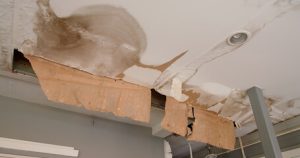
Understanding how water damage restoration works can help property owners respond more effectively when water-related emergencies occur. This guide explores each stage of the restoration process and explains why timely professional intervention is essential for minimizing damage and protecting property value.
Understanding the Impact of Water Damage
Before exploring the restoration process, it is important to understand why water damage requires immediate attention. Water has the ability to penetrate building materials quickly, spreading beyond the visible area of the initial leak or flood.
Drywall, insulation, wood framing, carpeting, and flooring materials can absorb moisture within minutes. As water continues to migrate through a structure, it may weaken building components, damage electrical systems, and create conditions that encourage mold growth.
The longer water remains in a property, the greater the risk of:
- Structural deterioration.
- Mold and mildew development.
- Damage to personal belongings.
- Indoor air quality concerns.
- Increased restoration costs.
- Long-term maintenance issues.
Because of these risks, professional restoration focuses on rapid response and thorough moisture removal.
The First Step: Emergency Response and Assessment
The water damage restoration process begins with an emergency response and detailed property assessment. Restoration professionals arrive on-site to evaluate the extent of the damage and determine the most effective course of action.
During this stage, technicians identify the source of the water intrusion and assess how far the moisture has spread. Specialized moisture meters, infrared cameras, and other diagnostic tools help locate hidden water behind walls, beneath flooring, and within structural components.
The assessment also allows restoration teams to categorize the severity of the damage and develop a restoration plan tailored to the property’s specific needs.
A comprehensive evaluation is critical because water often travels to areas that may not show visible signs of damage immediately.
Identifying and Stopping the Water Source
Before restoration can proceed, the source of the water intrusion must be identified and addressed. Failing to stop the water source can result in ongoing damage and undermine restoration efforts.
Depending on the situation, this may involve repairing plumbing leaks, addressing roof damage, fixing appliance malfunctions, or implementing temporary measures to prevent additional water entry.
Restoration professionals often work alongside other specialists when repairs are necessary to eliminate the source of the problem.
Once the water source has been controlled, technicians can focus on removing existing water and beginning the drying process.
Water Extraction and Removal
One of the most important stages of water damage restoration is water extraction. Standing water must be removed as quickly as possible to minimize damage and prevent further absorption into building materials.
Professional restoration teams use powerful extraction equipment designed to remove large volumes of water efficiently. Depending on the extent of flooding, various extraction methods may be employed to remove water from flooring, carpets, crawl spaces, and other affected areas.
Rapid water removal offers several important benefits:
- Reduces structural damage.
- Limits moisture absorption.
- Accelerates drying times.
- Minimizes mold risks.
- Protects salvageable materials.
- Reduces overall restoration costs.
The sooner water extraction begins, the better the chances of preserving building materials and personal belongings.
Moisture Detection and Mapping
After visible water has been removed, restoration professionals conduct a detailed moisture inspection. This step is essential because hidden moisture often remains trapped within building materials even after standing water is gone.
Moisture mapping involves identifying affected areas and documenting moisture levels throughout the property. Technicians use specialized instruments to detect moisture behind walls, under flooring, within ceilings, and inside structural cavities.
This process helps restoration teams determine the full scope of drying required and ensures that no hidden moisture pockets are overlooked.
Accurate moisture mapping plays a critical role in preventing future issues such as mold growth and structural decay.
Structural Drying and Dehumidification
Once moisture has been identified, the drying process begins. Drying is one of the most time-intensive stages of water damage restoration and often requires several days, depending on the severity of the damage.
Industrial-grade air movers and dehumidifiers are strategically placed throughout the affected areas to accelerate evaporation and remove excess moisture from the air. These machines work together to create optimal drying conditions and reduce humidity levels.
The drying process is carefully monitored to ensure that moisture levels continue to decrease. Technicians regularly inspect affected materials and adjust equipment placement as needed to maximize efficiency.
Proper drying is crucial because even small amounts of residual moisture can contribute to mold growth and material deterioration over time.
Cleaning and Sanitization
Water damage often introduces contaminants into a property, particularly when the water originates from sources other than clean supply lines. As a result, cleaning and sanitization are important components of the restoration process.
Affected surfaces, furnishings, and belongings are cleaned using specialized products designed to remove dirt, bacteria, and other contaminants. Antimicrobial treatments may also be applied to help reduce the risk of mold and microbial growth.
Cleaning efforts often focus on:
- Floors and carpeting.
- Walls and ceilings.
- Furniture and upholstery.
- Personal belongings.
- Structural components.
- High-touch surfaces.
Thorough cleaning not only restores appearance but also helps create a healthier indoor environment.
Mold Prevention Measures
One of the primary goals of water damage restoration is preventing mold growth. Mold can begin developing within a relatively short period when moisture remains present in building materials.
Restoration professionals take proactive steps to reduce this risk by removing moisture, improving airflow, and applying preventative treatments when necessary.
Monitoring moisture levels throughout the drying process ensures that materials reach appropriate dryness standards before restoration is considered complete.
Mold prevention is particularly important because mold remediation can significantly increase the cost and complexity of recovery efforts if moisture issues are not addressed properly.
Salvaging and Restoring Belongings
Water damage does not necessarily mean that all affected belongings must be discarded. Many items can be restored through specialized cleaning, drying, and recovery techniques.
Furniture, documents, electronics, textiles, and other possessions may be salvageable depending on the severity of the damage and the speed of response.
Restoration professionals evaluate each item individually and determine whether restoration is practical and cost-effective.
Saving valuable belongings provides both financial and emotional benefits while reducing replacement costs for property owners.
Repairs and Reconstruction
Once drying and cleaning have been completed, attention turns to repairing damaged materials and restoring the property to its pre-loss condition.
The scope of repairs depends on the extent of the damage. Minor projects may involve replacing sections of drywall, repainting surfaces, or repairing flooring. More extensive damage may require reconstruction of walls, ceilings, insulation, cabinetry, or structural components.
Common restoration repairs include:
- Drywall replacement.
- Flooring repairs.
- Ceiling restoration.
- Insulation replacement.
- Painting and finishing work.
- Structural reconstruction.
The goal is to restore both the appearance and functionality of the property while ensuring long-term durability.
Monitoring Progress Throughout the Restoration Process
Successful water damage restoration relies on ongoing monitoring and documentation. Restoration professionals regularly measure moisture levels and inspect drying equipment performance throughout the project.
These evaluations help verify that affected materials are drying properly and allow technicians to make adjustments if necessary.
Continuous monitoring also provides documentation that may be useful for insurance claims and future property records.
By tracking progress carefully, restoration teams can ensure that no hidden moisture remains before completing the project.
The Importance of Professional Restoration
Some property owners attempt to handle water damage cleanup independently, particularly when the damage appears minor. While small spills may be manageable, larger water intrusion events often require professional expertise and equipment.
Professional restoration teams have access to advanced moisture detection tools, industrial drying systems, and specialized training that allow them to identify and address hidden damage effectively.
Without professional intervention, property owners may overlook moisture trapped within walls, flooring systems, or structural components. These hidden issues can eventually lead to mold growth, wood rot, and costly repairs.
Investing in professional restoration often saves money in the long run by preventing secondary damage and ensuring thorough recovery.
Benefits of Fast Action
One of the most important lessons property owners can learn about water damage restoration is the value of acting quickly. Water damage becomes more severe with every passing hour, making a rapid response essential.
Prompt action can:
- Reduce restoration costs.
- Minimize structural damage.
- Protect personal belongings.
- Prevent mold growth.
- Shorten restoration timelines.
- Improve overall recovery outcomes.
The sooner restoration begins, the greater the likelihood of preserving materials and avoiding extensive repairs.
So, how does water damage restoration work? It is a comprehensive process that begins with emergency assessment and water extraction, followed by moisture detection, structural drying, cleaning, sanitization, repairs, and final restoration. Each stage is designed to address both visible and hidden damage while protecting the property from long-term complications.
Water damage restoration is about more than removing water. It involves restoring safety, preserving structural integrity, preventing mold growth, and returning a property to a comfortable and functional condition. Professional restoration teams use specialized equipment and proven techniques to ensure that every aspect of the recovery process is handled thoroughly and effectively.
For property owners facing water-related damage, understanding the restoration process can provide peace of mind and help guide important decisions. By responding quickly and working with qualified restoration professionals, it is possible to minimize damage, protect valuable assets, and restore a property successfully after even the most challenging water intrusion events.